




Most logistics inefficiencies are designed into the network
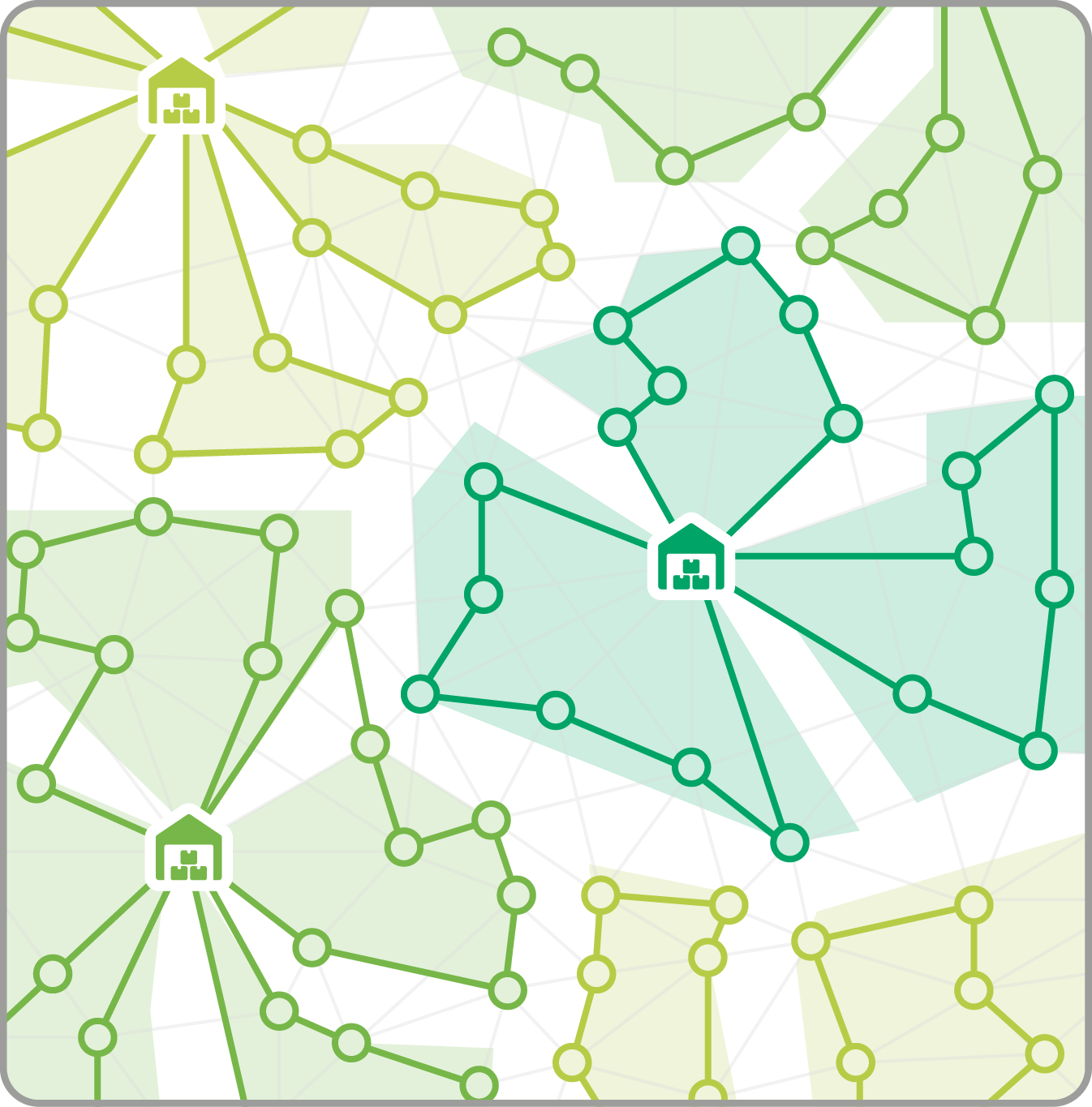
You’re not losing money on routes. You’re losing it in your network design. Most logistics networks weren’t built for today’s complexity. Rising costs, tighter delivery windows, and increasing customer expectations are exposing inefficiencies that route optimization alone can’t fix.
The real issue isn’t daily planning — it’s the structure behind it.
Your network is costing you more than you think
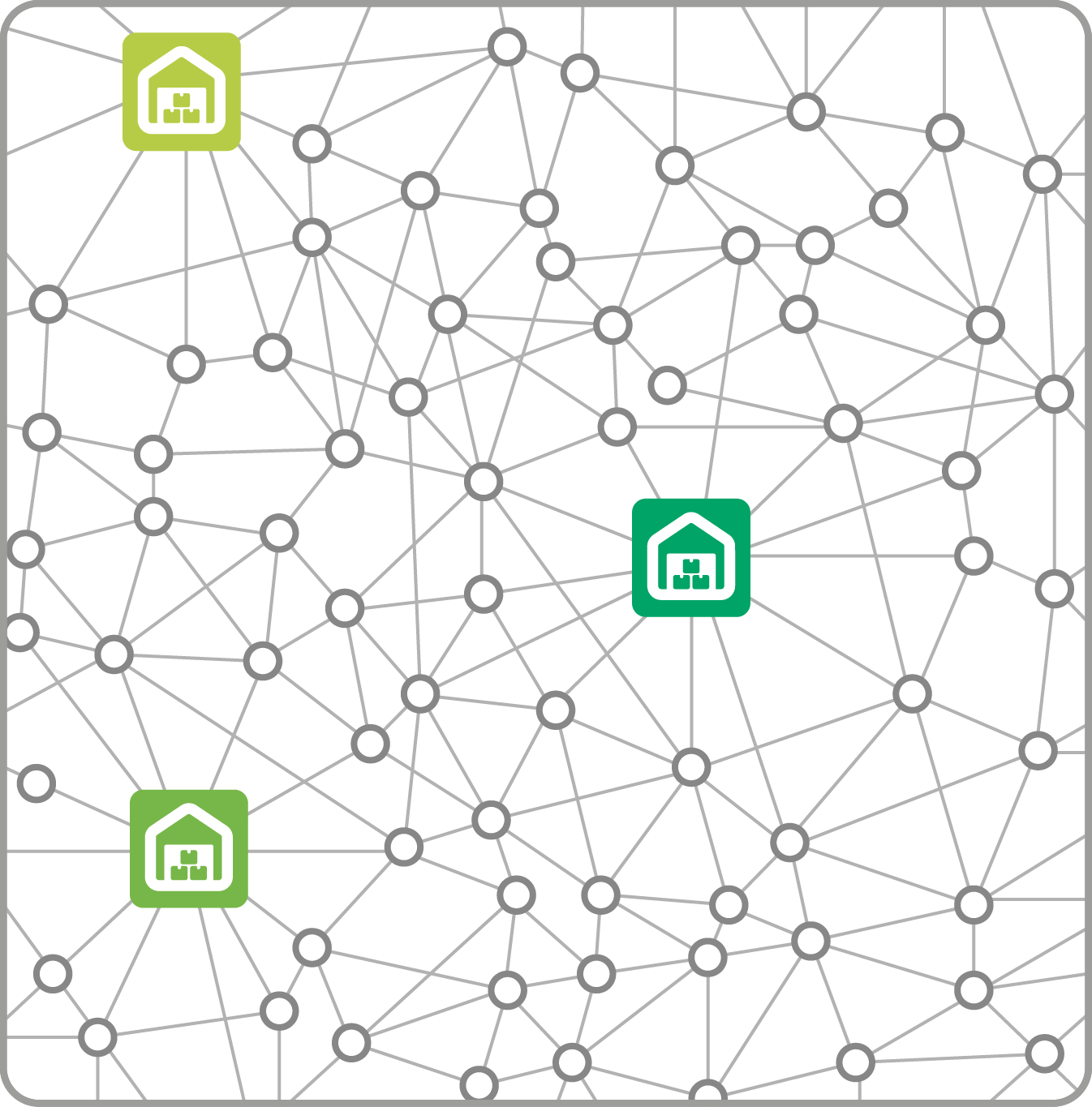
Most companies optimize routes every day, but redesign their network only every few years — if at all. That’s where inefficiencies accumulate.
-
Depots are placed based on outdated assumptions
-
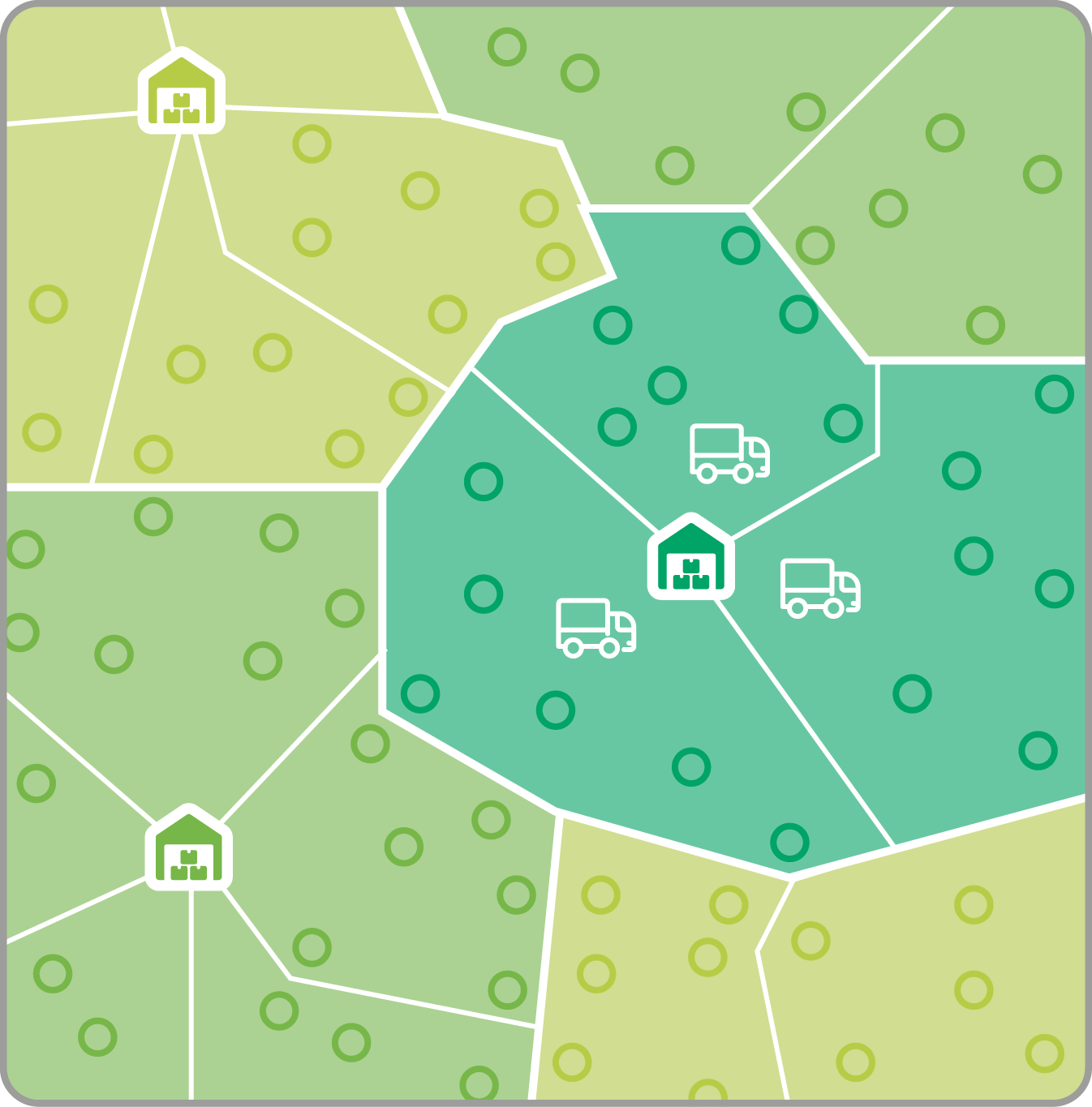
Territories become imbalanced over time
-
Scaling often requires adding more vehicles instead of improving the structure
These inefficiencies don’t show up in reports. They show up in margins.
From months of analysis to decisions in minutes
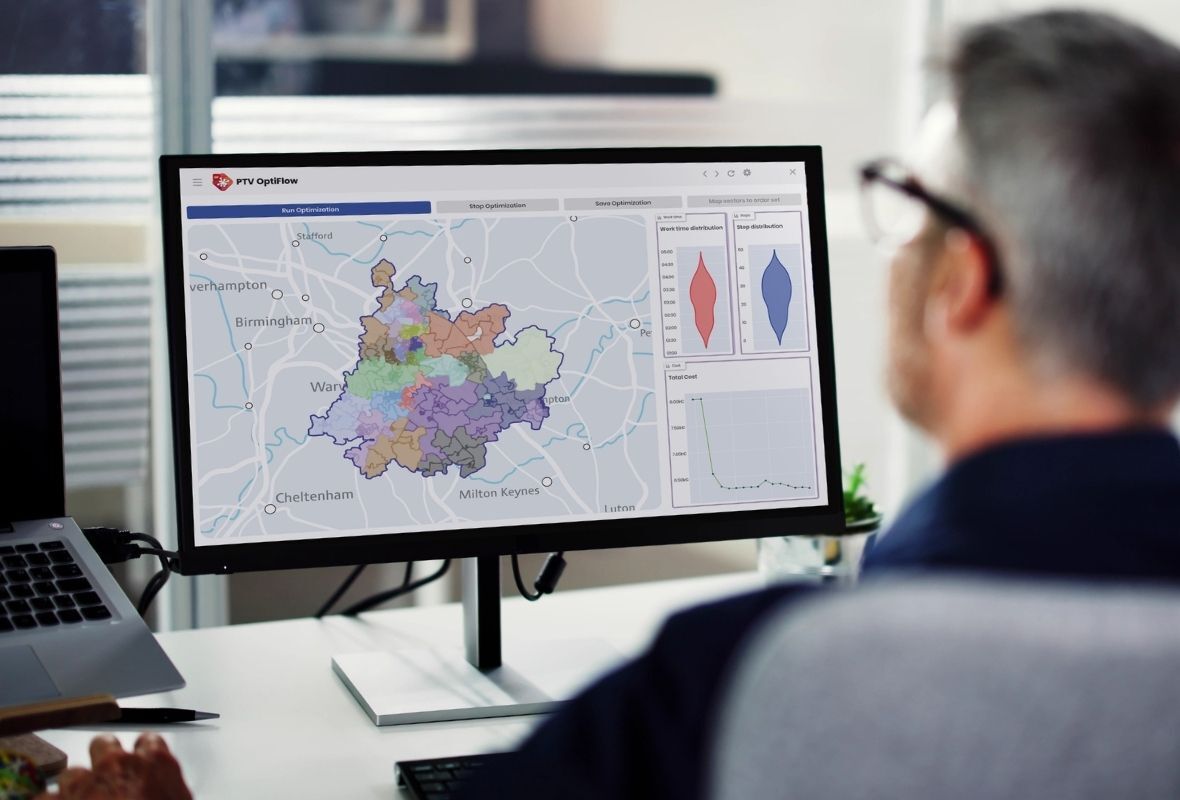
What once required months of analysis, external consultancy, and limited scenario comparisons can now be done in minutes. With AI-powered optimization, logistics organizations can simulate multiple network scenarios, evaluate cost and service trade-offs in real time, and continuously adapt their network as conditions change.
Instead of relying on assumptions, decisions become transparent, comparable, and data-driven — enabling faster, more confident planning across the entire network.
From static planning to continuous optimization
Designing a logistics network is no longer a one-off decision. It’s an ongoing process. Organizations need to continuously evaluate how their network is structured, where resources are deployed, and how territories are defined — adapting to demand, constraints, and strategic priorities.
Eliminate structural inefficiencies before they hit operations
Identify optimal depot locations and service areas to reduce costs and maximize coverage.
Reduce
travel time and
driver overload
Create data-driven delivery areas that improve efficiency and reduce travel time.
Make high-impact
decisions with
real data
Evaluate strategies based on cost, service levels, and future growth.
Leading logistics brands that trust in PTV Logistics
Up to 20%
savings on
transport costs
10-15%
reduction on
CO₂ emissions
> 1 billion
optimized routes
with our solutions
Customer Success Stories
Strategic planning and network optimization – proven at global scale
See how leading logistics and retail organizations use advanced planning and optimization to master network complexity, scale with confidence, and make better strategic decisions across cost, capacity, and sustainability.
“PTV OptiFlow enables you to make a choice: Do I choose the cheapest plan? Do I choose the plan with the least number of kilometers and CO₂ emissions? Or do I choose the plan with the least number of drivers? You can really visualize what you want to achieve.
What-if scenarios
Test network changes instantly and understand cost and service impact before making decisions.
Fleet strategy
Evaluate fleet size, composition, and electrification strategies based on real operational data.
Territory redesign
Rebalance delivery areas dynamically to improve efficiency, reduce travel time, and avoid overload.
Depot relocation
Identify optimal depot locations to reduce transport costs and improve service coverage.
From network design to execution—powered by AI
Enable seamless decision-making across all planning levels—from strategic network design to daily dispatch. With PTV Mira, insights become actionable—enabling consistent, high-performance operations at scale.
Start your network strategy
How we help you solve this
By combining advanced optimization with scenario and AI-based planning, our solutions enable logistics organizations to design, evaluate, and optimize their networks with transparency and confidence.
Your interactive
AI logistics expert
Optimize strategic and operational planning continuously
Integrate logistics intelligence into your ecosystem
Route optimization ROI calculator
See what your logistics network could really achieve
Most logistics inefficiencies are designed into the network, not the route.
Use AI-powered strategic planning to uncover hidden savings, test future scenarios, and create a network built for cost efficiency, scalability, and service excellence.